Introduction
Ventilators have actually ended up being a crucial component in healthcare, especially in essential care setups. With advances in medical innovation and the climbing prevalence of breathing conditions, comprehending just how to run a ventilator is paramount for medical care professionals. This write-up, "Understanding the Fundamentals: Your Overview to Basic Ventilator Courses," intends to supply a comprehensive guide on standard ventilator training programs, encompassing every little thing from fundamental concepts to specialized training for particular individual populations.
What Is a Standard Ventilator Course?
A basic ventilator course is created to introduce healthcare providers to the concepts of mechanical ventilation. These programs normally cover topics such as:
- The physiology of respiration Types of ventilators Modes of ventilation Patient analysis and monitoring
Understanding these principles is crucial for anybody associated with person treatment, particularly nurses and breathing therapists.
Why Are Ventilation Training Training Courses Important?
Ventilation training courses supply countless benefits:
Improved Person Outcomes: Experienced specialists can make informed decisions about patient care. Enhanced Skills: Educating boosts self-confidence and capability in operating ventilators. Safety Procedures: Recognizing safety measures ensures far better risk management.Components of Fundamental Ventilator Training
Physiology of Respiration
Before diving into technical information, it's vital to grasp the fundamentals of how the breathing system features.
Anatomy of the Breathing System
The respiratory system consists of different structures that work together to help with breathing:
- Nasal cavity Pharynx Larynx Trachea Bronchi Lungs
Understanding these elements ndis ventilation course assists clear up exactly how ventilators assist or replace natural breathing.
Types of Mechanical Ventilators
There are a number of types of mechanical ventilators available:
Volume-Controlled Ventilators: Supply a collection quantity with each breath. Pressure-Controlled Ventilators: Limit pressure throughout inspiration. Bi-level Positive Respiratory tract Pressure (BiPAP): Used for individuals calling for various stress for inhalation and exhalation.Each kind serves distinctive functions relying on individual needs.
Modes of Mechanical Ventilation
Invasive vs. Non-Invasive Modes
Mechanical ventilation can be classified right into invasive and non-invasive settings:
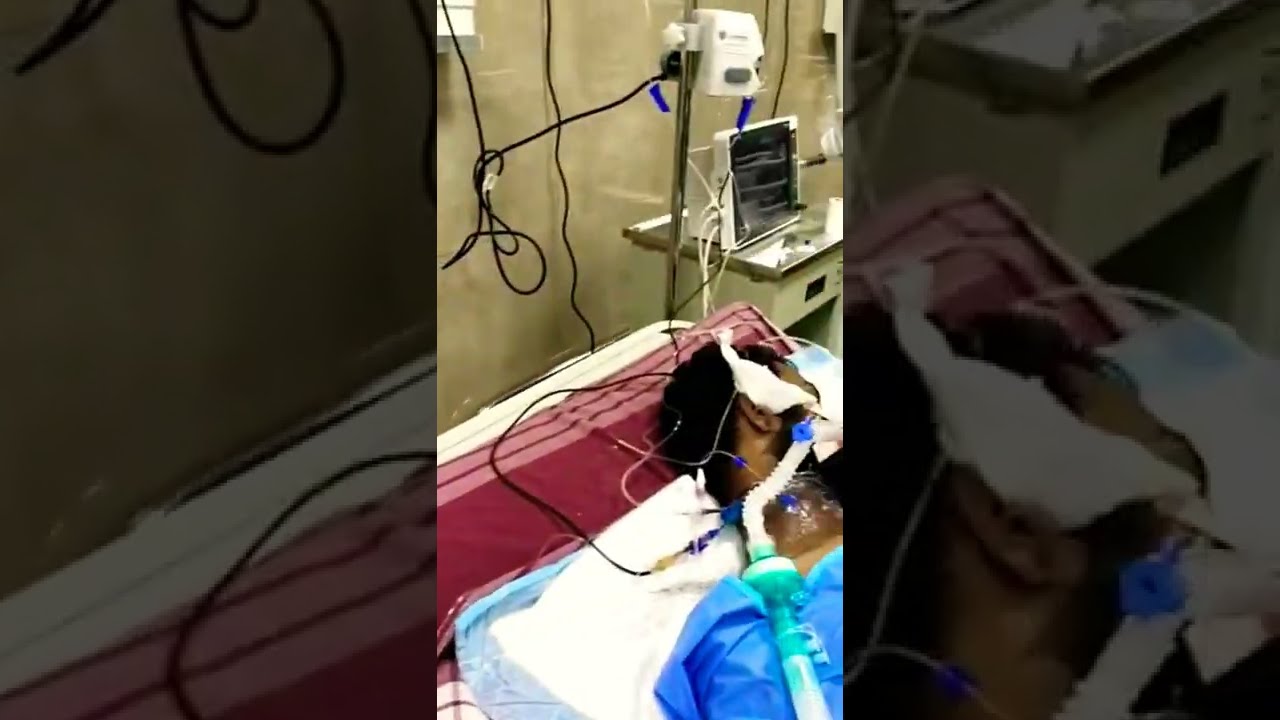

1. Intrusive Settings:
- Require intubation. Offer more control over air flow parameters.
2. Non-Invasive Modes:
- Utilize masks or nasal prongs. Less intrusive but may not appropriate for all patients.
Common Modes Explained
Some common modes consist of:
Assist-Control (AC): Supplies support with every breath. Synchronized Recurring Required Air flow (SIMV): Allows spontaneous breaths in between required ones. Continuous Positive Respiratory tract Pressure (CPAP): Maintains airway stress without aiding with every breath.Understanding these settings allows specialists to choose the correct method based upon individual patient needs.
Ventilator Training for Registered nurses: A Specialized Approach
Nurses play an essential role in managing mechanically ventilated clients, making specialized training crucial.
Key Skills Covered in Registered Nurse Training Programs
Nurse-focused ventilator training usually consists of:
- Patient analysis and surveillance methods Identification of problems Adjusting ventilator settings based upon scientific judgment
Training outfits registered nurses with vital skills for efficient respiratory tract and air flow administration while making sure optimum client outcomes.
Tracheostomy and Ventilator Training: Specialized Focus
Patients requiring long-lasting ventilation may need a tracheostomy, causing unique challenges.
Understanding Tracheostomy Care
Care considerations include:
- Maintaining tube patency Regular cleaning procedures Monitoring for indicators of infection
Proper training in tracheostomy treatment boosts security and efficacy when managing ventilated patients.
Airway Administration and Ventilation Techniques
Effective air passage management is fundamental for successful air flow strategies.
Key Components of Air passage Management
Essential elements include:
Patient placing Use of adjunct tools (e.g., oropharyngeal respiratory tracts) Continuous surveillanceThese parts ensure that airflow continues to be unblocked throughout treatment.

NDIS Ventilation Training Training course: Tailored Education And Learning for Specific Needs
For those working under the National Handicap Insurance System (NDIS), specialized training satisfies special demands related to handicap support.
What Does NDIS Ventilation Training Cover?
This program commonly focuses on practical abilities like:
- Customized treatment plans Emergency reaction methods Individualized ventilatory approaches
Such tailored education prepares participants to provide efficient assistance within an impairment context.
How Do I Pick the Right Course?
When selecting a fundamental ventilator course, take into consideration variables such as training course web content, instructor certifications, and functional components provided as part of the curriculum.
Factors To Consider
|Factor|Importance|| ------------------------------|------------------------------------------|| Course Content|Need to cover both theoretical & & functional abilities|| Teacher Credentials|Look for seasoned professionals|| Practical Components|Hands-on experience is critical|
Choosing sensibly can dramatically influence your learning experience!
Frequently Asked Inquiries (Frequently asked questions)
1. What Is Mechanical Ventilation?
Mechanical air flow refers to using makers-- ventilators-- here to aid or change spontaneous breathing in individuals that can not breathe sufficiently by themselves due to different factors such as injury, surgical procedure, or breathing disease.
2. Who Need To Take a Standard Ventilator Course?
Healthcare professionals associated with straight individual care-- specifically registered nurses, breathing specialists, and emergency responders-- need to take into consideration taking a fundamental ventilator training course to improve their abilities in airway management and air flow assistance techniques.
3. For how long Does It Take To Full a Fundamental Ventilator Course?
The duration differs widely depending upon the program framework however commonly varies from eventually up to a number of weeks if it consists of comprehensive hands-on session alongside academic studies.
4. What Are Some Common Difficulties Related To Mechanical Ventilation?
Complications can include barotrauma, pneumothorax, infections such as pneumonia pertaining to intubation, and difficulties associated with long term sedation or immobilization from extended use of mechanical air flow equipment.
5. Is Online Training Available For Basic Ventilator Courses?
Yes! Lots of organizations currently provide on-line training courses that integrate video talks with online simulations so students can comprehend fundamental ideas at their own speed while still getting high quality instruction from knowledgeable instructors remotely!
6. How Do I Stay Current With Developments In Mechanical Air Flow Technology?
Engaging consistently with specialist organizations devoted to respiratory system treatment-- such as attending workshops/conferences-- and subscribing journals concentrated on critical care medication will aid you remain abreast brand-new advancements within this ever-evolving field!
Conclusion
Mastering mechanical air flow calls for commitment and education but is crucial for improving patient end results within healthcare setups today! As outlined throughout this overview--"Mastering the Fundamentals: Your Guide To Fundamental Ventilator Courses"-- the relevance can not be overemphasized; extensive knowledge gained via relevant programs empowers experts across self-controls! Whether you're checking out wider ventilation training programs or specialized methods like NDIS choices-- the chance exists available waiting simply around every corner! Dive deeper right into this important element today-- for both individual growth AND improved medical method overall!